

Occupational Injury Care
Injury Care That Keeps Recovery and Operations Moving
A workplace injury can affect not only the employee, but also productivity, staffing plans, and job-site schedules. Our occupational health team provides coordinated injury care from initial assessment through recovery, combining clinical treatment, case management, medical guidance, and return-to-work support.

A Coordinated Approach
Every injury and workplace is different. Occupational injury care involves medical evaluation, treatment, ongoing communication, and work-status guidance throughout the recovery process.

Initial Assessment
The employee visits an Occupational Health Center or connects with teleSTAT for timely evaluation and direction to the appropriate level of care.

Treatment and Diagnostics
The provider determines the recommended treatment, follow-up care, diagnostic imaging, or specialty evaluation based on the employee’s condition.

Case Coordination
Provider recommendations, documentation, referrals, and follow-up requirements are communicated throughout the injury-care process to support informed decision-making.

Recovery and Reassessment
Follow-up evaluations allow treatment plans, restrictions, and work-status recommendations to evolve as the employee recovers.

Return to Work
Medical progress, functional abilities, essential duties, and available modified-duty options inform recommendations related to work status and return to work.
Case Management
Ongoing oversight of treatment progress, follow-up requirements, documentation, and communication supports continuity throughout the recovery process.

Medical Directorship
Board-certified occupational health physicians provide expertise on injuries, workplace exposures, medical opinions, documentation questions, and regulatory considerations.

Diagnostic Imaging
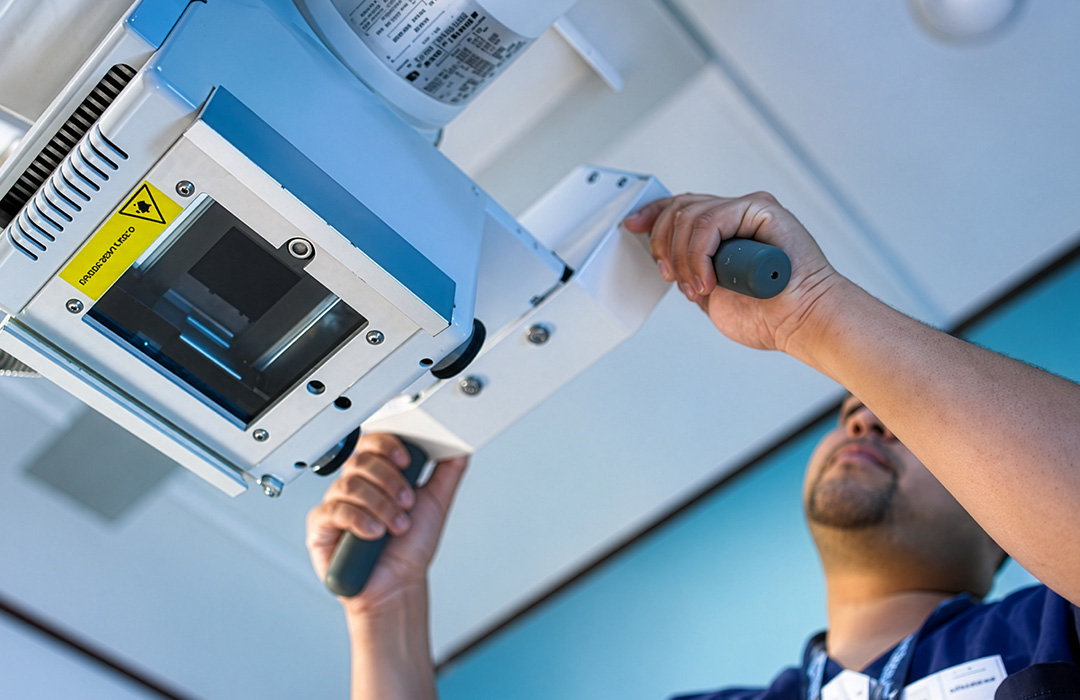
Digital X-ray services support injury evaluation, treatment decisions, and ongoing medical assessment. Available services include injury-specific imaging, OSHA-regulated X-rays, physical-exam imaging, and silica and asbestos B-read X-rays.
Fitness-for-Duty Evaluations
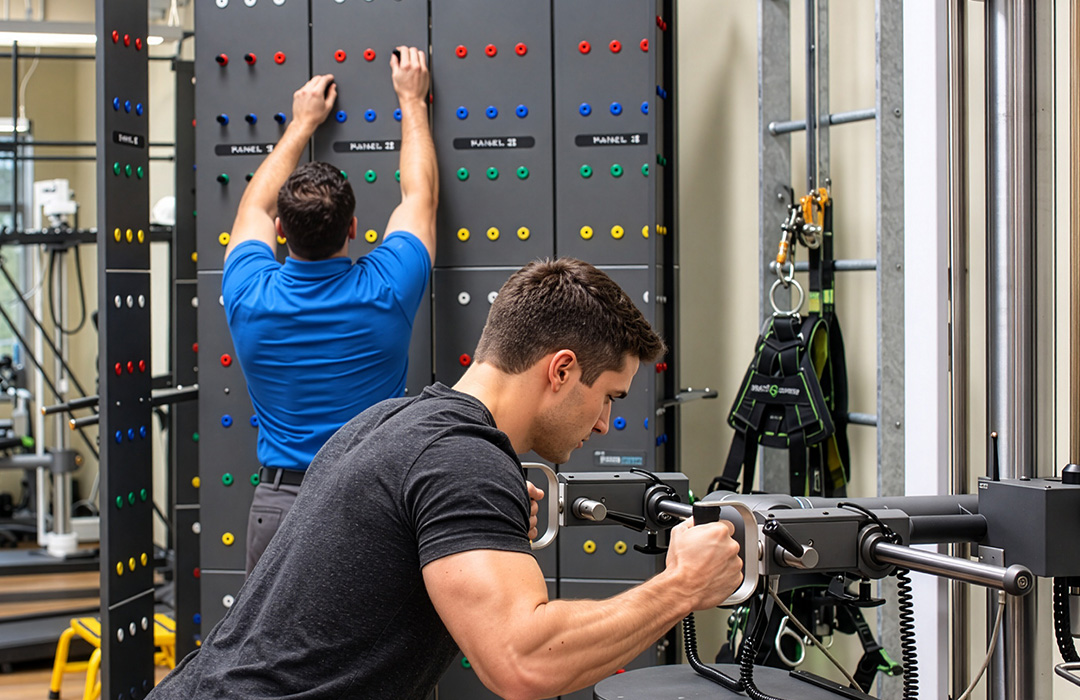
Questions about an employee's ability to safely perform assigned job responsibilities or work within restrictions may require additional evaluation. Evaluations may include physical exams, Functional Capacity Evaluations (FCE), laboratory services, or other job-related testing.
When an Injury Requires Specialized Care
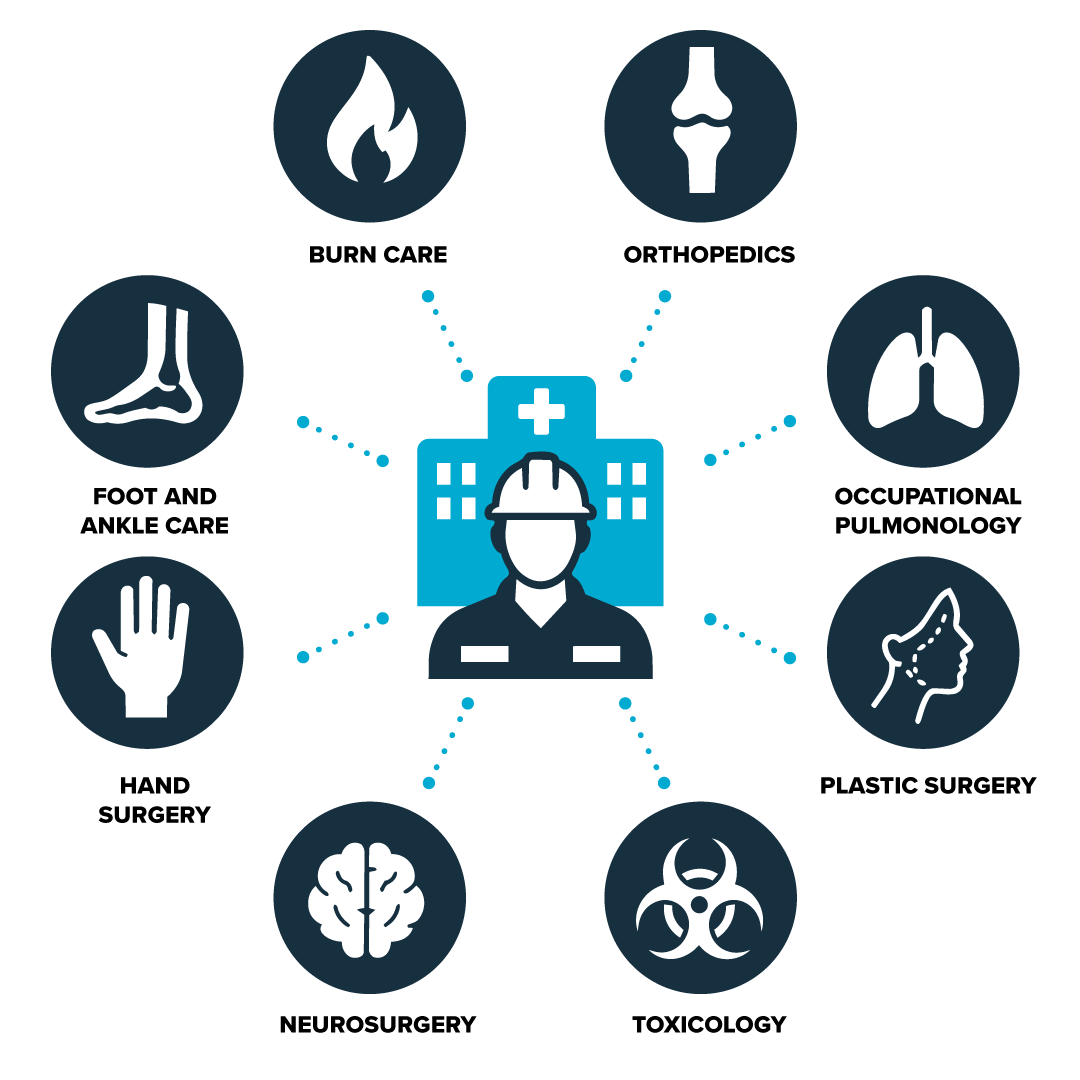
Some workplace injuries require advanced evaluation or treatment beyond the initial occupational health visit. HASC coordinates referrals through an established network of specialists experienced in the evaluation and treatment of workplace injuries.
The HASC team maintains communication between our occupational health providers and specialists so treatment recommendations, follow-up care, and medical information remain aligned throughout recovery.
Specialist Network Includes
- Burn Care
- Foot and Ankle Care
- Hand Surgery
- Neurosurgery
- Occupational Pulmonology
- Oral and Dental Care
- Orthopedics
- Plastic Surgery
- Toxicology